“inversely proportional” search results (250)

Composition Analysis of Coffee beans basic knowledge of Fine Coffee
Raw bean (unit: percentage) moisture: 11.3 fat: 11.7 protein: 11.8 sugar: 8.0 essence: 17.1 caffeine: 1.3 Salmonic acid: 6.0 Minerals: 4.2 crude fiber: 28.6 cooked bean moisture: 2.5 fat: 13.2 protein: 12.8 sugar: 1.8 essence: 29.6 caffeine: 1.3 Salvianolic acid: 4 .0 mineral: 5.2 crude fiber: 29.
2015-04-13 Coffee beans ingredients analysis boutique coffee basics common sense raw beans units percent
What is the production process from coffee beans to coffee?
Proper grinding is related to the success or failure of a cup of coffee, no matter what kind of brewing method has its correct extraction standard, which can also be called the mass of water molecules in coffee beans. The simple rule is that the shorter the brewing time is, the finer the grinding scale is. In addition, the same operation mode, the amount of brewing weight, in order to achieve a balanced operation quality, it is also necessary to properly adjust the grinding scale. Different research
2016-10-18 Coffee beans coffee one kind what process production process appropriate grinding fastening
Analysis of the components of high-quality coffee beans with knowledge
Raw bean (unit: percentage) moisture: 11.3 fat: 11.7 protein: 11.8 sugar: 8.0 essence: 17.1 caffeine: 1.3 Salmonic acid: 6.0 Minerals: 4.2 crude fiber: 28.6 cooked bean moisture: 2.5 fat: 13.2 protein: 12.8 sugar: 1.8 essence: 29.6 caffeine: 1.3 Salvianolic acid: 4 .0 mineral: 5.2 crude fiber: 29.
2015-01-26 Boutique coffee beans knowledge ingredients analysis raw beans unit percentage moisture 1
What should be paid attention to in roasting coffee? the price of Alishan Maha coffee
As the name suggests, roasting is to provide heat to coffee beans, causing a series of chemical changes inside. Raw coffee beans show the unique color, aroma and taste of coffee by roasting. Every coffee bean contains fragrance, sour taste, sweet taste and bitter taste. How to release it incisively and vividly depends on the heat of baking. From the insipid raw beans to the endless fragrance in the cup
2016-06-07 Baking coffee should pay attention to what Alishan Mazu price as the name implies
How much water does it take to brew the Philharmonic coffee? What should be the thickness of the powder?
The Philharmonic came into my sight in such a high profile. Later, last year, when I began to try Philharmonic pressure, I found that Philharmonic pressure does have its charm. Because it is easy to make, it tastes clean, and it can be adjusted according to our taste. Today, I will first use the picture to introduce how to make it. Then I briefly describe the principle of Philharmonic pressure again, and
2016-01-08 Illustration about Philharmonic coffee brewing how much thickness degree it should be
The concept and principle of Coffee basic knowledge Coffee Baking
The concept and principle of coffee roasting, as the name implies, roasting is to provide heat to coffee beans, so that a series of chemical changes occur inside. Raw coffee beans show the unique color, aroma and taste of coffee by roasting. Every coffee bean contains fragrance, sour taste, sweet taste and bitter taste. How to release it incisively and vividly depends on the heat of baking. From a tasteless life
2015-06-08 Coffee basics common sense baking thinking principles coffee roasting
Coffee roasting the concept and principles of coffee roasting
As the name suggests, roasting is to provide heat to coffee beans, causing a series of chemical changes inside. Raw coffee beans show the unique color, aroma and taste of coffee by roasting. Every coffee bean contains fragrance, sour taste, sweet taste and bitter taste. How to release it incisively and vividly depends on the heat of baking. From the insipid raw beans to the endless fragrance in the cup
2015-05-28 Coffee roasting common sense consideration principle as the name implies roasting is for coffee beans.
Analysis of the composition of coffee beans what ingredients are contained in a coffee bean?
Raw bean (unit: percentage) moisture: 11.3 fat: 11.7 protein: 11.8 sugar: 8.0 essence: 17.1 caffeine: 1.3 Salmonic acid: 6.0 Minerals: 4.2 crude fiber: 28.6 cooked bean moisture: 2.5 fat: 13.2 protein: 12.8 sugar: 1.8 essence: 29.6 caffeine: 1.3 Salvianolic acid: 4 .0 mineral: 5.2 crude fiber: 29.
2015-10-26 Coffee beans ingredients analysis one contains which raw beans units percentage water
The concept of coffee roasting
As the name suggests, roasting is to provide heat to coffee beans, causing a series of chemical changes inside. Raw coffee beans show the unique color, aroma and taste of coffee by roasting. Every coffee bean contains fragrance, sour taste, sweet taste and bitter taste. How to release it incisively and vividly depends on the heat of baking.
2014-07-15 Coffee knowledge coffee roasting coffee encyclopedia
What should be paid attention to in the roasting process of coffee beans
The concept and principle of coffee roasting, as the name implies, roasting is to provide heat to coffee beans, so that a series of chemical changes occur inside. Raw coffee beans show the unique color, aroma and taste of coffee by roasting. Every coffee bean contains fragrance, sour taste, sweet taste and bitter taste. How to release it incisively and vividly depends on the heat of baking. From a tasteless life
2016-06-06 Coffee beans roasting process should pay attention to what coffee thinking principles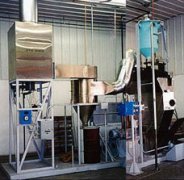
General knowledge of coffee bean baking equipment and roasting theory of coffee beans
In addition to the degree of baking is divided into factions, even the roaster also has a family view. At present, there are two major professional roasters, one is the traditional rolling furnace (Drum Roaster), and the other is the newly developed hot gas furnace (Air Roaster). The former is heated by gas across the bottom of the furnace, while the metal blades in the furnace keep stirring the beans, while the latter bakes the beans with high-temperature hot air flow.
2015-07-06 Coffee beans roasting common sense equipment and theory except for baking factions
Fine Coffee learn the processing flow of Coffee beans
1. Peeling removes the peel and most of the flesh by mechanical or manual means. two。 Fermentation removes the mucus and film from the core by fermentation. as the length of fermentation time will affect the flavor of coffee, each manufacturer has its own fermentation time. 3. The drying method is mainly divided into natural sun drying and natural air drying. Excessive water content can easily lead to mildew and insect growth of raw coffee beans.
2014-11-13 Coffee knowledge boutique coffee science coffee bean processing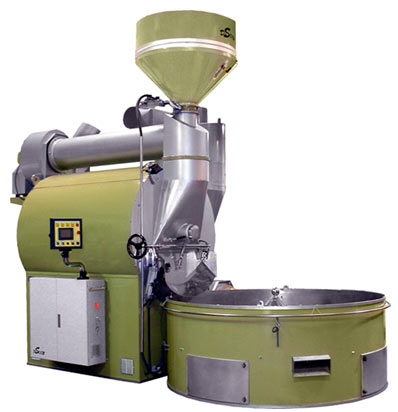
Introduction to the main points of coffee roasting knowledge: coffee bean roasting theory (3)
In addition to the degree of baking is divided into factions, even the roaster also has a family view. At present, there are two major professional roasters, one is the traditional rolling furnace (Drum Roaster), and the other is the newly developed hot gas furnace (Air Roaster). The former is heated by gas across the bottom of the furnace, while the metal blades in the furnace keep stirring the beans, while the latter bakes the beans with high-temperature hot air flow.
2015-12-16 Coffee roasting knowledge essentials introduction coffee beans theory except factions
Sour, sweet and bitter coffee manor in Tanzania flavor and taste characteristics boutique coffee bean technology begging
Tanzanian coffee is mostly washed. After picking, coffee farmers will send the coffee fruit to the nearest processing plant for processing. The treatment step of the water washing method is to screen and remove the impurities in the coffee fruit, then remove the coffee pulp and exocarp, send it into the fermentation tank, and remove the pectin layer from the inner pericarp by fermentation. Clean
2016-08-15 Bitter Tanzania coffee manor producing area flavor taste characteristics boutique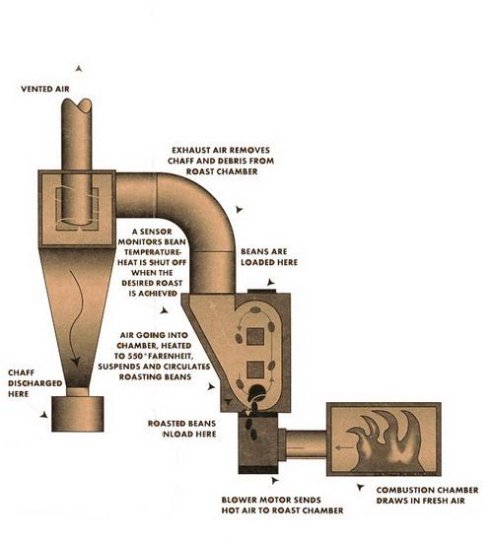
Theoretical roasting of coffee beans and the relationship between roasting and high-quality acid effect of inferior chlorogenic acid on coffee quality
In addition to the degree of baking is divided into factions, even the roaster also has a family view. At present, there are two major professional roasters, one is the traditional rolling furnace (Drum Roaster), and the other is the newly developed hot gas furnace (Air Roaster). The former is heated by gas across the bottom of the furnace, while the metal blades in the furnace keep stirring the beans, while the latter bakes the beans with high-temperature hot air flow.
2016-01-23 Coffee beans roasting theory quality relationship green coffee influence
On the concept and principle of Coffee Baking
As the name suggests, roasting is to provide heat to coffee beans, causing a series of chemical changes inside. Raw coffee beans show the unique color, aroma and taste of coffee by roasting. Every coffee bean contains fragrance, sour taste, sweet taste and bitter taste. How to release it incisively and vividly depends on the heat of baking.
2014-08-20 Coffee knowledge coffee roasting concept roasting principles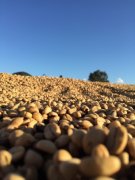
The processing of coffee beans basic knowledge of coffee beans
1. Peeling removes the peel and most of the flesh by mechanical or manual means. two。 Fermentation removes the mucus and film from the core by fermentation. as the length of fermentation time will affect the flavor of coffee, each manufacturer has its own fermentation time. 3. The drying method is mainly divided into natural sun drying and natural air drying. Excessive water content can easily lead to mildew and insect growth of raw coffee beans.
2015-06-06 Coffee beans processing boutique basics common sense peeling utilization machinery manpower methods
Processing of coffee beans before grinding treatment of coffee fruit
First, peeling: the peel and most of the pulp are removed mechanically. Second, fermentation third, drying fourth, roasting: coffee raw beans can release the special aroma of coffee through roasting. Each coffee bean contains its aroma, sour taste, sweetness and bitterness. How to release it incisively and vividly depends on the heat of its baking, from the insipid raw beans to the aftertaste of the cup.
2015-03-27 Coffee beans grinding processing process coffee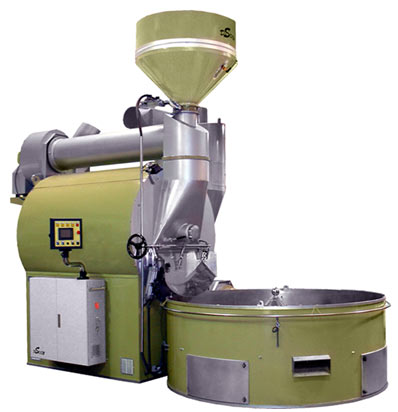
Roasting techniques for the treatment of raw coffee beans: coffee bean roasting theory (3) detailed introduction
In addition to the degree of baking is divided into factions, even the roaster also has a family view. At present, there are two major professional roasters, one is the traditional rolling furnace (Drum Roaster), and the other is the newly developed hot gas furnace (Air Roaster). The former is heated by gas across the bottom of the furnace, while the metal blades in the furnace keep stirring the beans, while the latter bakes the beans with high-temperature hot air flow.
2015-12-18 Coffee raw beans treatment methods roasting techniques coffee beans theory details
Professional coffee roasting knowledge Coffee roasting concepts and principles
Roasting, as the name suggests, provides heat to coffee beans, causing a series of chemical changes to occur within them. Green coffee beans through roasting, showing coffee unique color, flavor and taste. Each coffee bean contains flavor, sourness, sweetness and bitterness. How to release it depends on the roasting temperature. From the tasteless raw beans to the lingering fragrance in the cup
2014-12-26 Professional Coffee Roasting Knowledge Mindfulness Principles As the Name implies Yes